They're Going to Hate What You're Doing (And That's the Point)
If you're making music with AI, you've already felt the heat.
The condescending side-eye from "purist" friends. The sneering comments on social media. The self-appointed gatekeepers insisting that what you're creating "isn't real art." The trolls who show up just to tell you that you're ruining the "sanctity" of music.
Here's what I want you to understand: This resistance isn't an obstacle. It's a signal. It means you're winning.
You're Breaking a Monopoly
For decades, the music industry has been a closed shop. It operated on a model of forced scarcity. You needed "natural" talent, years of expensive training, and—most importantly—access. Access to studios, producers, and labels that cost more than most people make in a year.
The "rules" weren't made to protect the music; they were made to protect the people who held the keys to the gate.
Now, you're walking right past the gate. AI music tools have done the one thing the establishment feared most: they've democratized the soul of production. Anyone with a vision can now execute a masterwork. Anyone with a story can score it—without asking for permission or writing a check to a gatekeeper.
They aren't mad because the music is "bad." They're mad because they've lost their monopoly on who gets to be a creator.
Resistance is the Tax on Progress
Every major shift in music history was met with the same pathetic script.
When synthesizers arrived, they were called "soulless." When drum machines replaced session players, people mourned the "death of the beat." When Auto-Tune became a creative tool, purists lost their minds. When bedroom producers started winning Grammys on $500 laptops, the studio establishment called it a fluke.
Every single one of those "threats" is now the industry standard. The people who screamed the loudest back then are now either irrelevant or they've spent the last decade trying to catch up.
If no one is trying to shut you down, you aren't doing anything disruptive. If you aren't making the traditionalists uncomfortable, you're just part of the scenery.
Don't Let Them Yuck Your Yum
Here's the thing: You found something that excites you. Something that lets you create in ways you couldn't before. Something that unlocked a part of your brain that's been waiting for the right tool to show up.
And now someone on the internet—someone who's never heard your music, doesn't know your story, and has no stake in your success—wants to tell you it doesn't count?
No.
You don't need their permission. You don't need their approval. You don't need to defend yourself in comment sections.
They don't know the hours you spent refining your prompts, curating your sound, and chasing a feeling. They have no interest in your success—only a desperate need to maintain the status quo.
You don't owe them an explanation. And you certainly don't need their blessing to call yourself an artist.
You're the Vanguard
Let's be honest: You're a pioneer. And being a pioneer is a bloody business.
You're walking a path that doesn't have a map. You're going to hit dead ends, and you're going to take arrows in the back from people who are too scared to move forward. Pioneers don't get parades while they're in the trenches; they get doubt and ridicule.
But years from now, the same people hating on you today will be using the very tools you're mastering right now. They'll follow the trail you blazed and act like they were there all along.
The Only Question That Matters
Are you making something that moves you?
If the answer is yes, then keep going. The gatekeepers will either adapt or become relics. The trolls will find something else to be offended by. The industry will eventually scramble to catch up to the future you're already building.
But you? You'll be miles ahead.
Build the future. Let them stay in the past.
- Josh
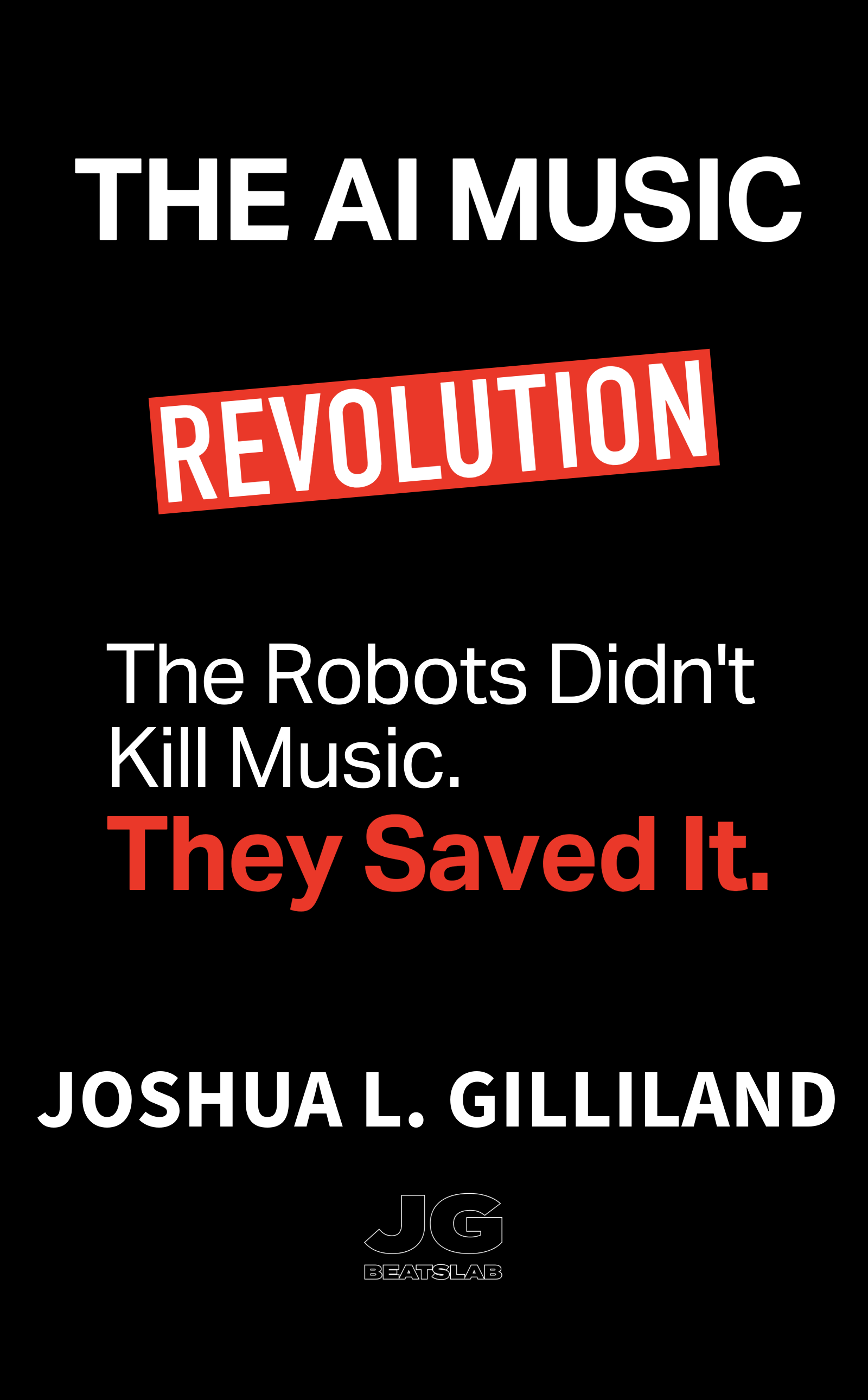
This post scratched the surface. The AI Music Revolution goes deeper — 100+ pages dismantling the fear-mongering headlines and laying out the strategic framework for the post-barrier world. It's a manifesto for creators who are done asking for permission.