
Research, not content.
Every post here comes out of real production work, tracks I've mastered, curator queues I've reviewed, and mistakes I've made with my own money. No recycled tips, no filler.
I Rebuilt My Suno Book in 48 Hours. Here's Why That Was Possible.
Suno launched v6 on September 9 and retired every model before it. Two days later the rebuilt guide was published. The speed was not the achievement. The preparation was.
From Library Member to Mastering Customer in Three Weeks
Someone bought the membership in early August and came back three weeks later with a track to master. I can't tell you why, because I didn't ask. I can tell you what the structure was designed to do, and that this is it working in the drawn order.
Suno v6 Just Launched. The Real Story Isn't the New Model.
Suno launched three new models today. The headline everyone's writing is "faster, better, more control." The story underneath it is that Believe, a distributor that banned AI music in April, just reversed course for tracks made with this model.
What "Lifetime Membership" Actually Means
"Lifetime membership" usually gets defined after the sale, in a support email, when the thing you assumed was included turns out to be an add-on. This is the opposite move: the exact boundary of the deal, in public, above the buy button.

Who's Actually Making AI Music (It's Not Who the Internet Thinks)
The public picture of AI music is streaming-farm slop. The people who actually came through this shop last month are building Christmas albums for their living rooms and finishing theatrical scores. The gap between the stereotype and the queue is the story.
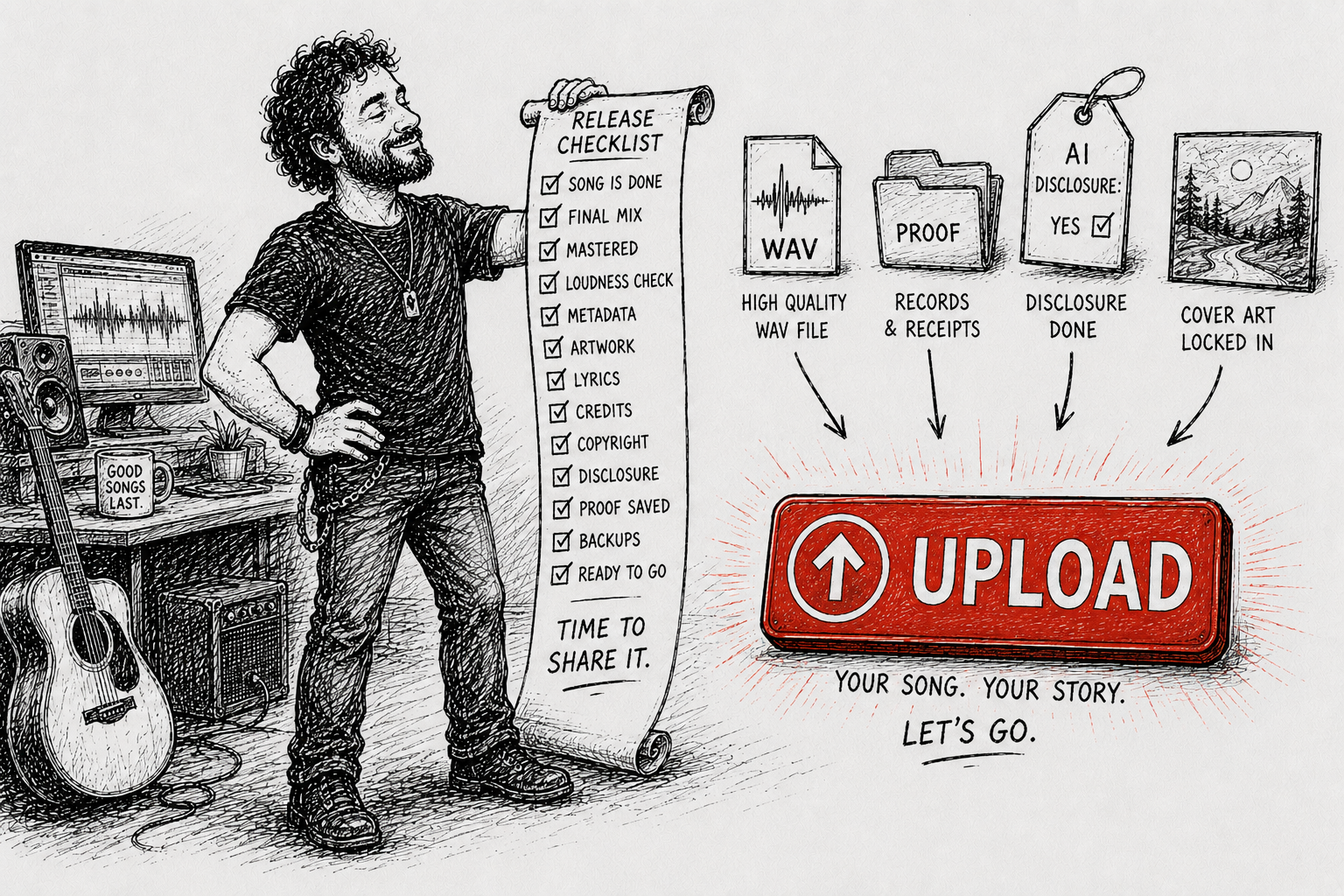
Releasing Your First AI Track: The Checklist Nobody Hands You
The song is done. It is good. And you are hovering over the upload button asking: am I allowed to sell this? Do I disclose it? Will it get taken down? Here is the checklist I wish someone had handed me.
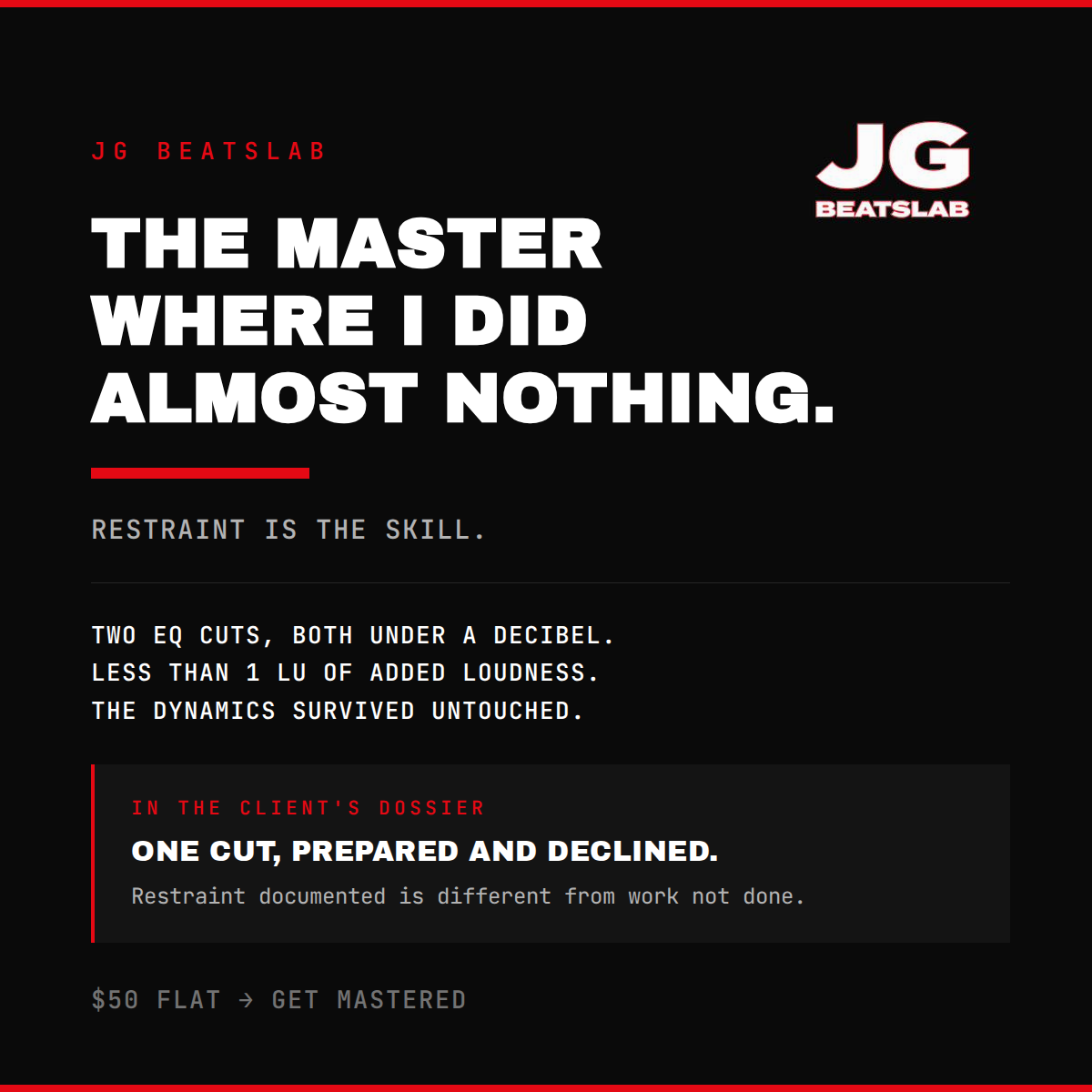
The Master Where I Did Almost Nothing
The best source I've mastered this month needed two EQ cuts smaller than a decibel and less than 1 LU of gain. There was also a cut I prepared, tested, and deliberately turned off. That decision is the whole post.
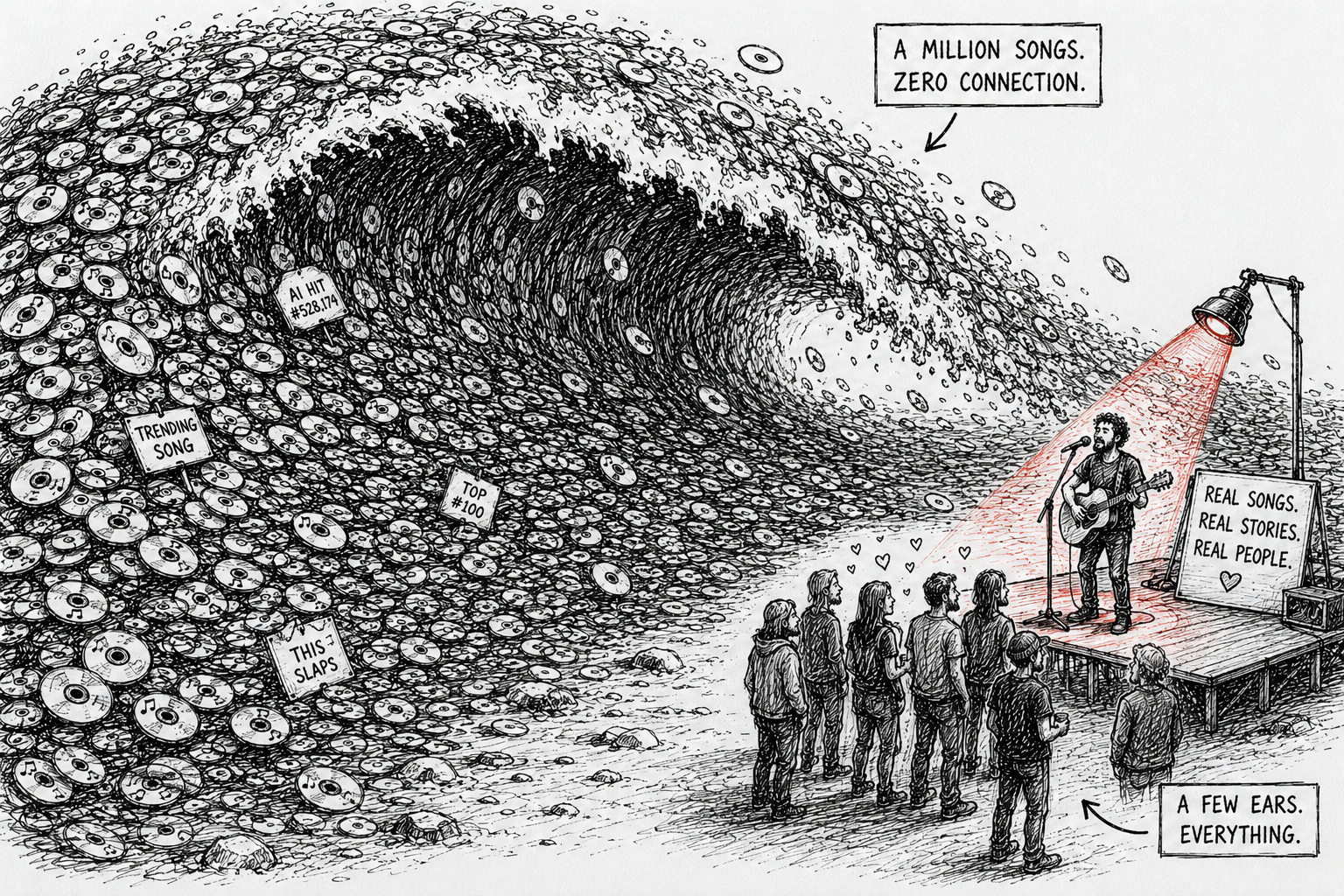
Nobody Is Listening: The Hard Truth About Releasing AI Music Right Now
You did everything right and got twelve streams, eight of them you. That is not a verdict on your talent. It is what happens to any unmarketed track dropped into the largest oversupply of music in history.
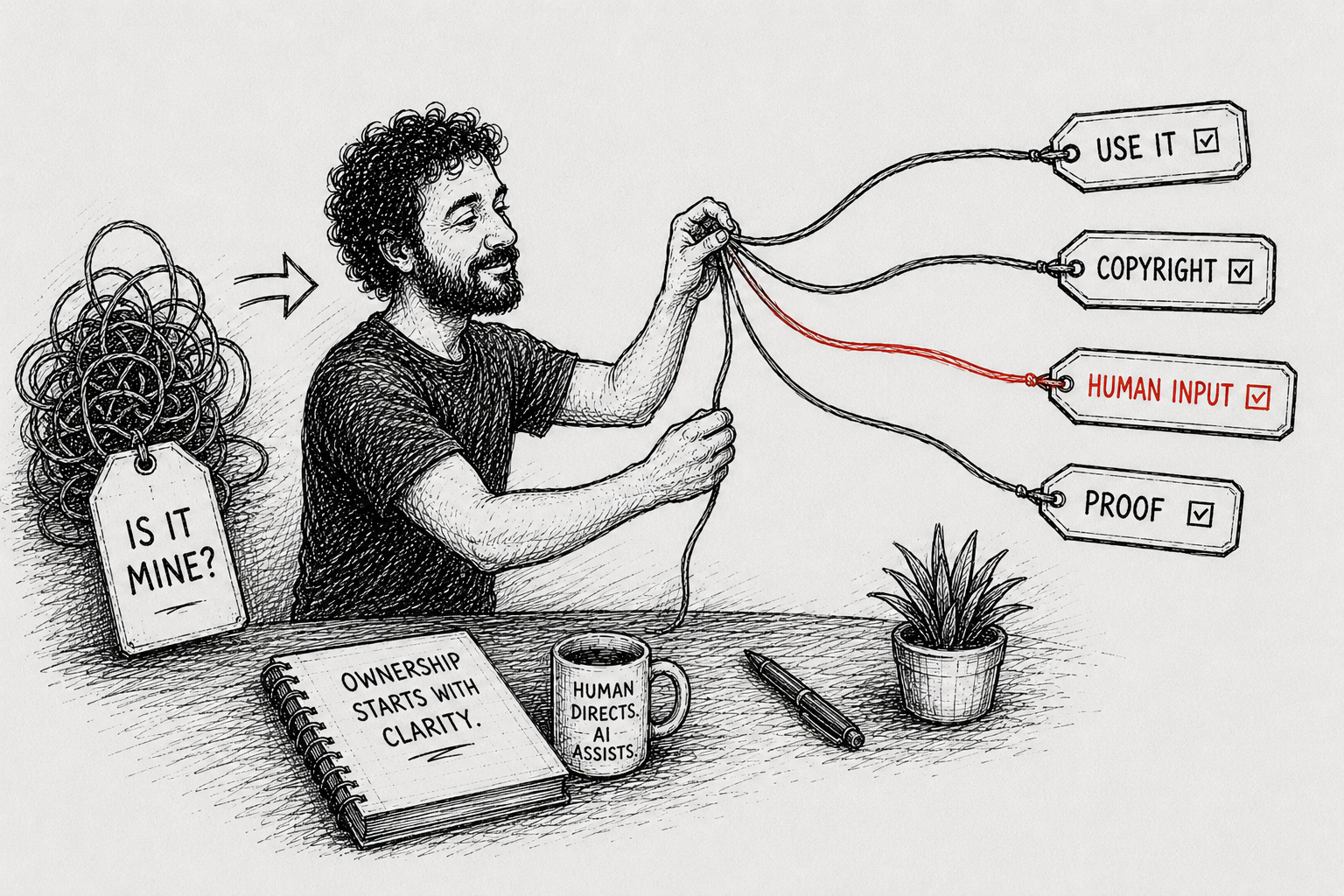
You Own the Song. But Can You Actually Protect It?
Around your tenth finished track, a question creeps in: wait, is this actually mine? The confusion comes from treating four separate questions as one. Let us pull them apart.
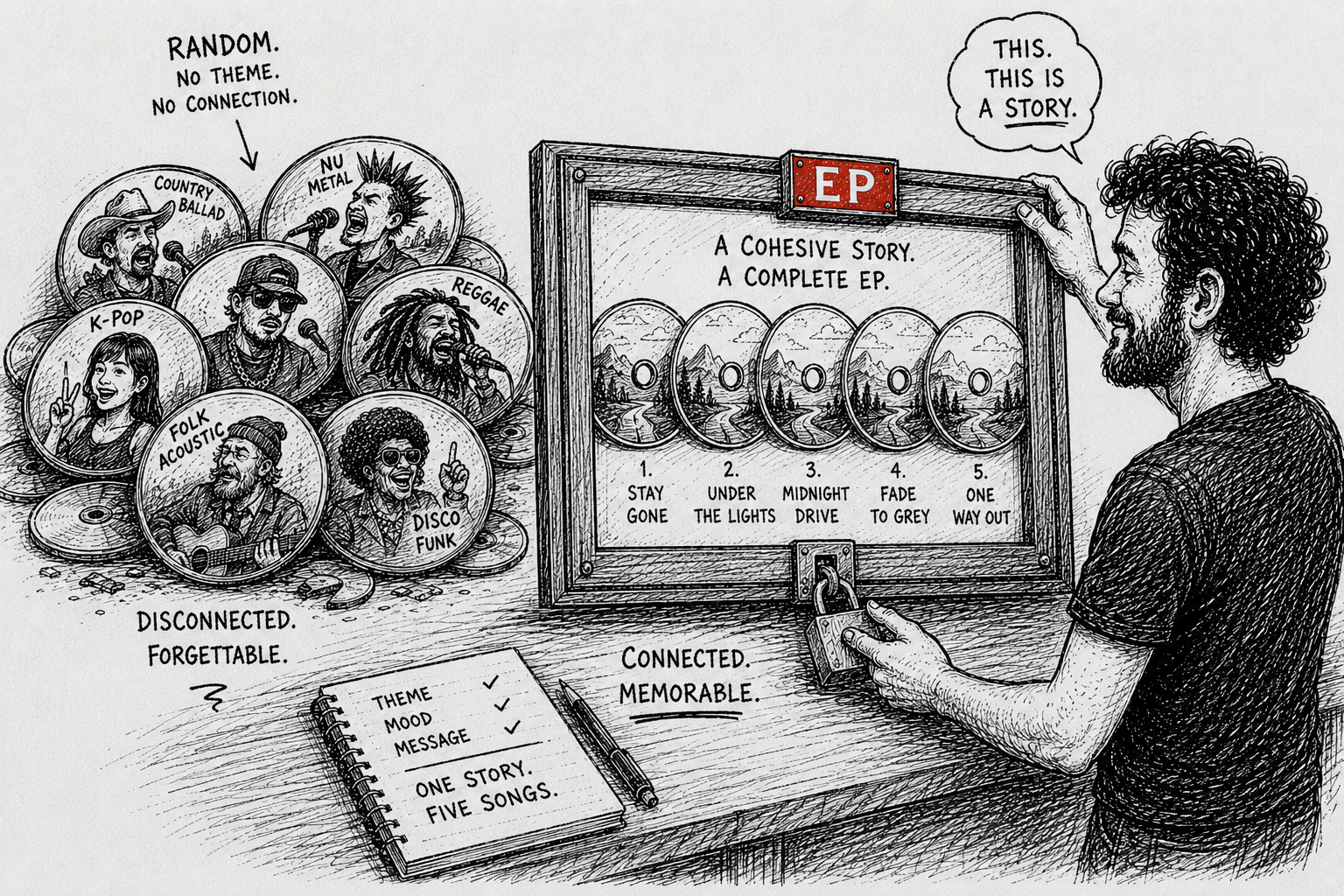
From One Good Song to a Cohesive EP: The Real Boss Fight in AI Music
Making one good Suno song is a solved problem. Making five that belong together, same voice, same identity, a record instead of a playlist of strangers, is the boss fight almost nobody warns you about.
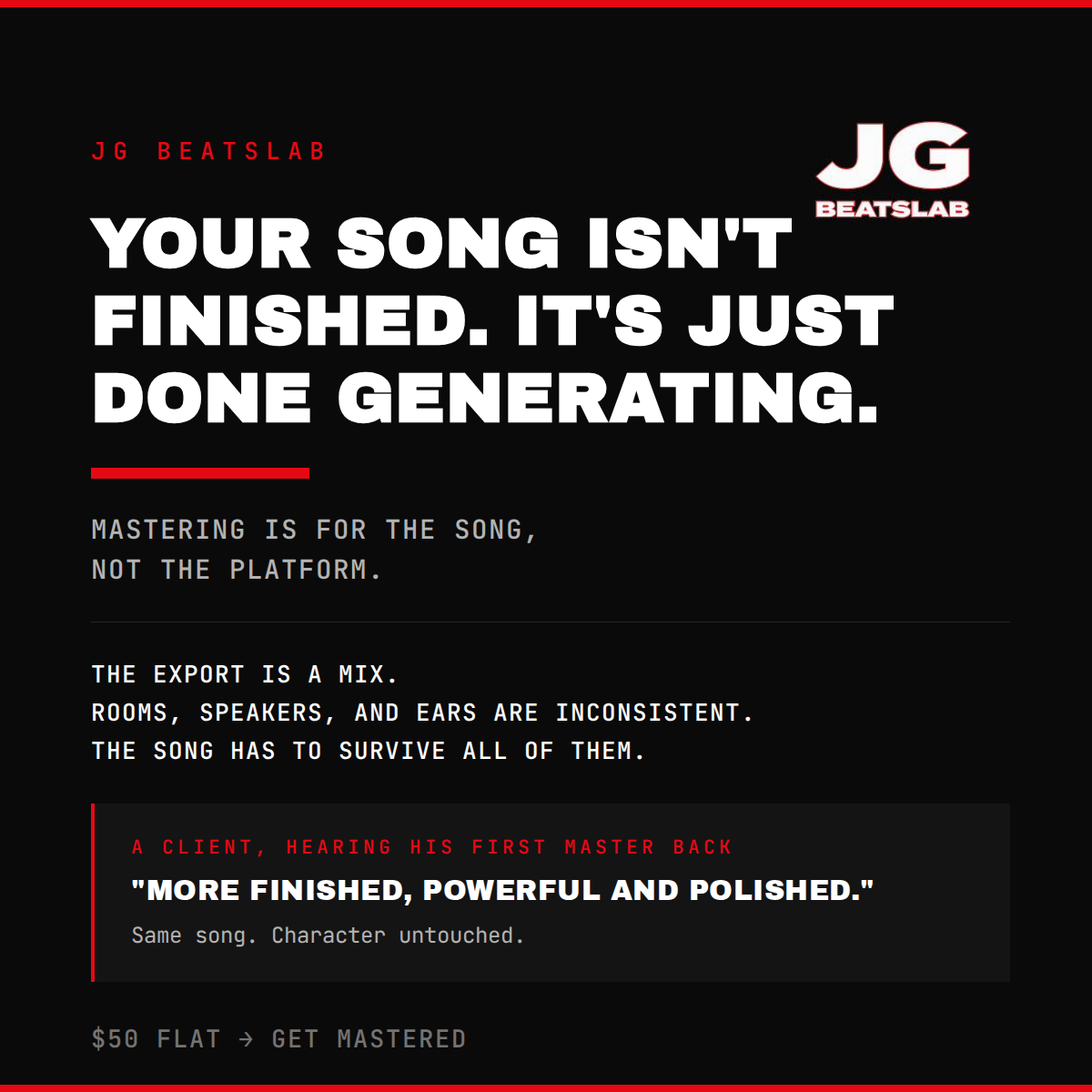
Your Song Isn't Finished. It's Just Done Generating.
There's a belief in AI music that mastering is a release formality, something you skip if the song is just for you. I think that gets the purpose of mastering exactly backwards. The songs you make for yourself deserve the most finishing, not the least.
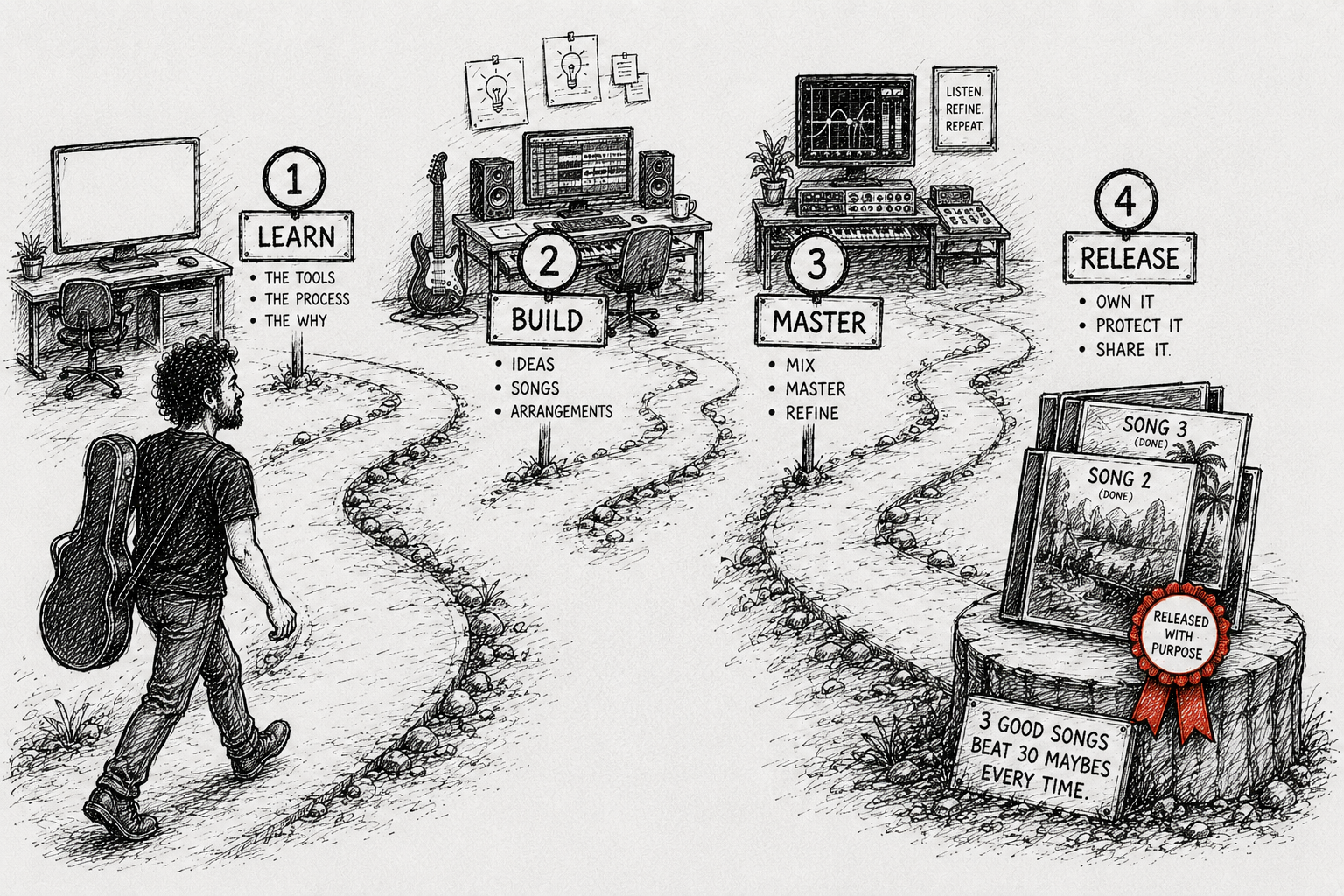
Your First Suno EP in a Weekend: The Exact Path From Zero to Three Finished Tracks
Most people who start with AI music never finish anything. Not for lack of trying, for lack of a path. Here is the exact route from a blank Suno screen to three finished, mastered tracks in a weekend.
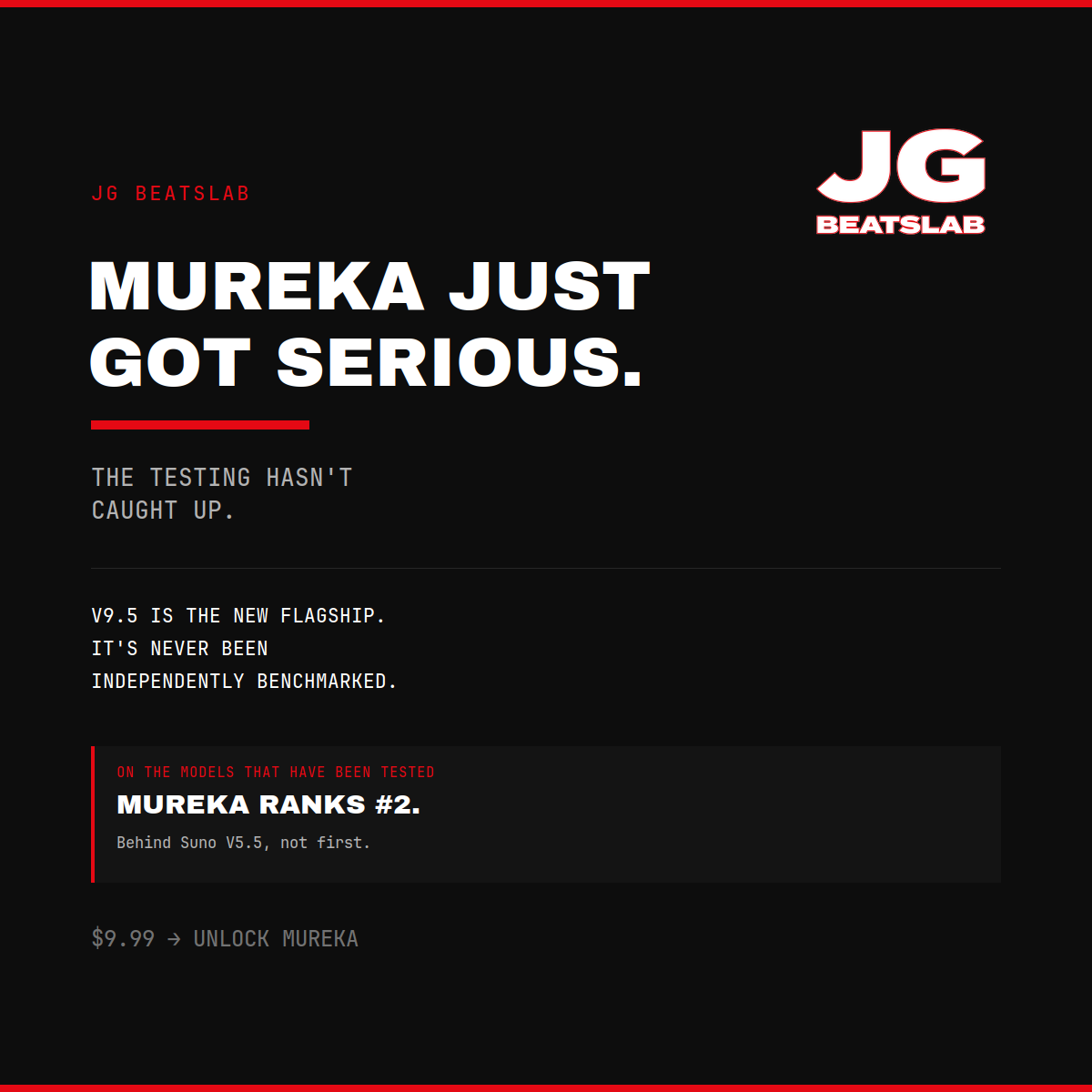
Mureka Just Got Serious. The Testing Hasn't Caught Up.
Mureka's new flagship has real momentum. It also has zero independent testing behind it, and the models it just replaced didn't rank first either.
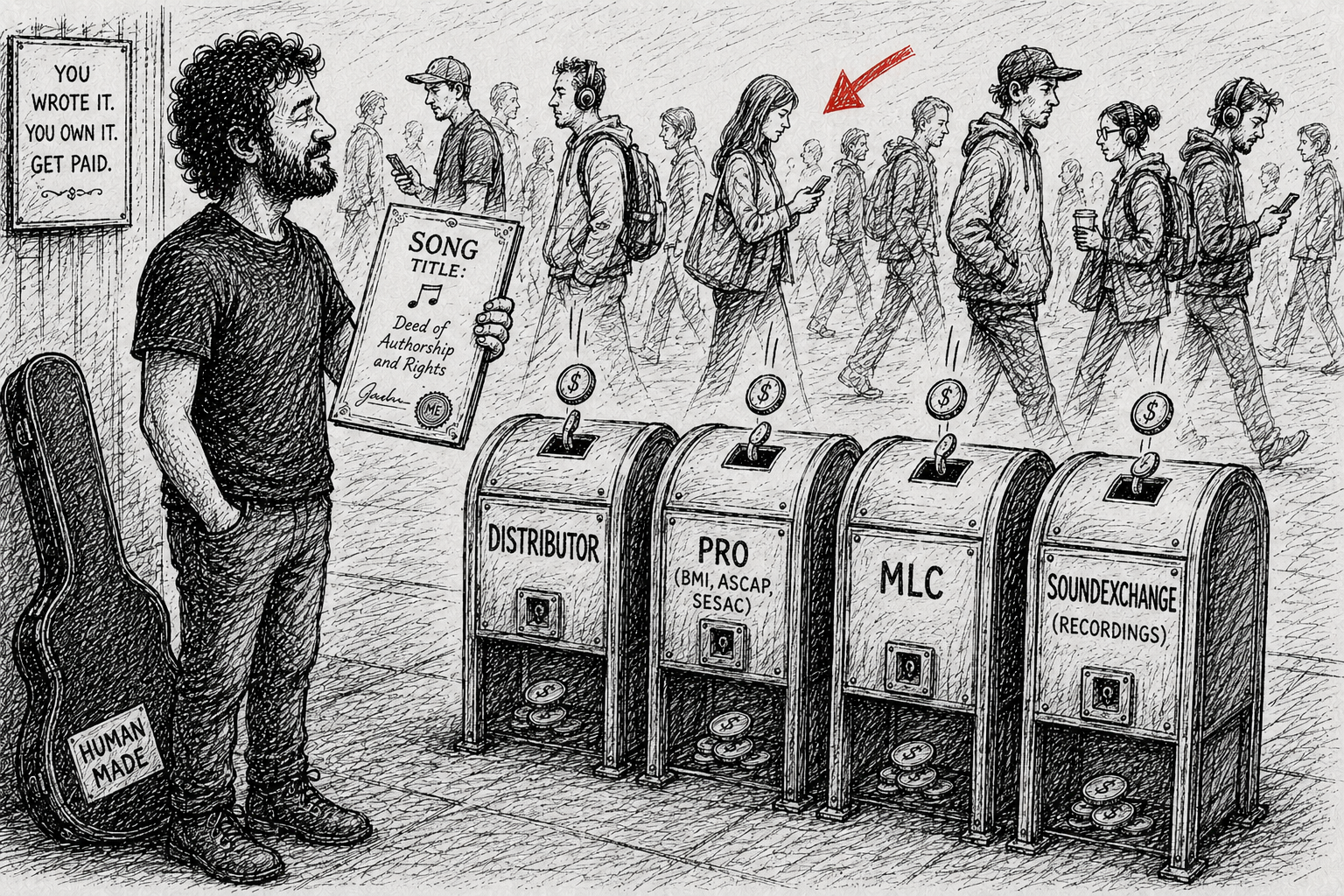
Can You Legally Own, and Get Paid For, a Song You Made With AI?
If I put out a song I made with AI, is it mine? Can I register it? Will I get paid when it streams? The honest answer is more workable than the doom-posting suggests, if you do a few unglamorous things right.
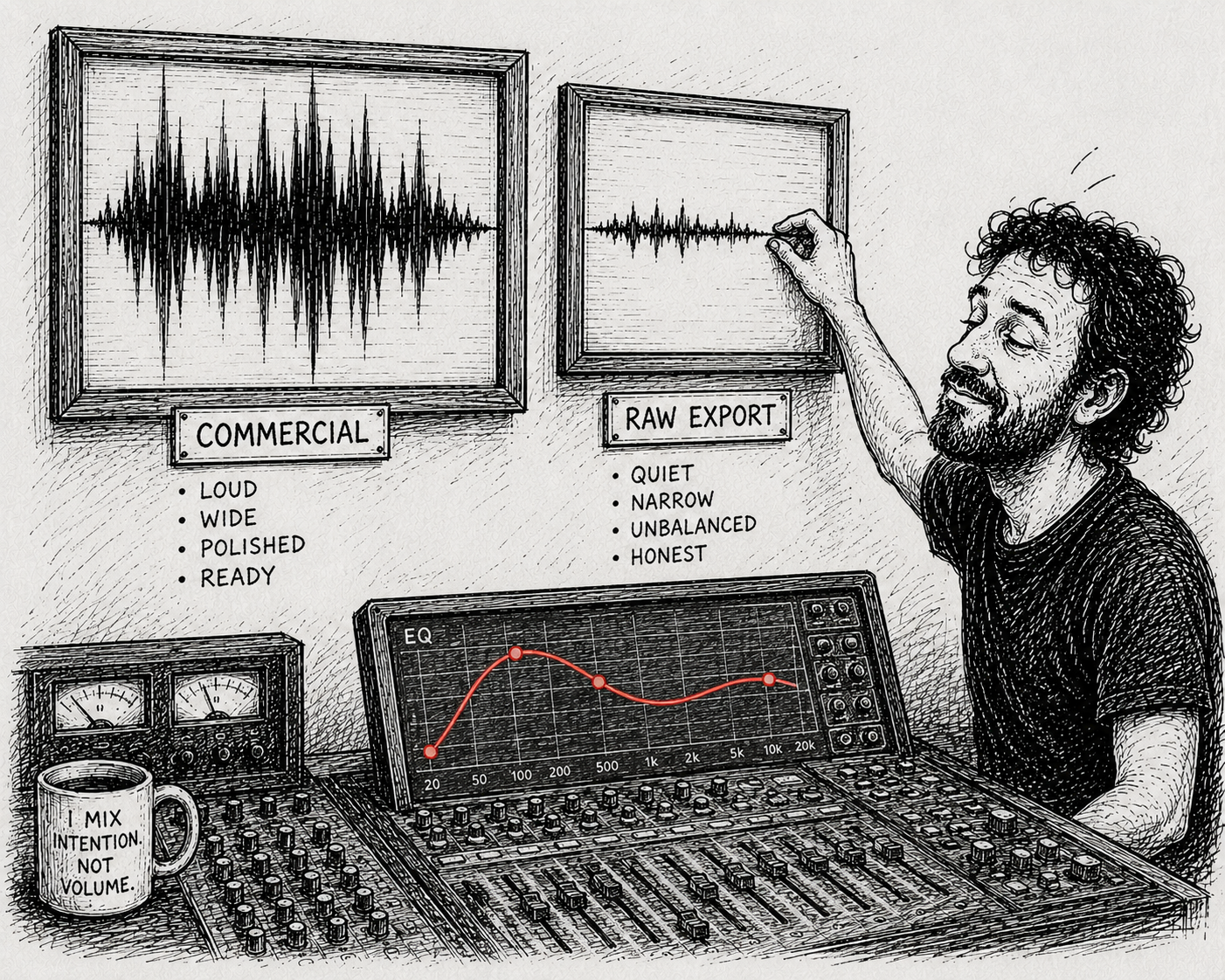
The Post-Generation Gap: Why Raw Suno Exports Get Ignored
Play your best Suno track right after a commercial release in the same genre. Hear it? Your track sounds smaller. The song might be great. The record is not finished, and you are built to finish it.
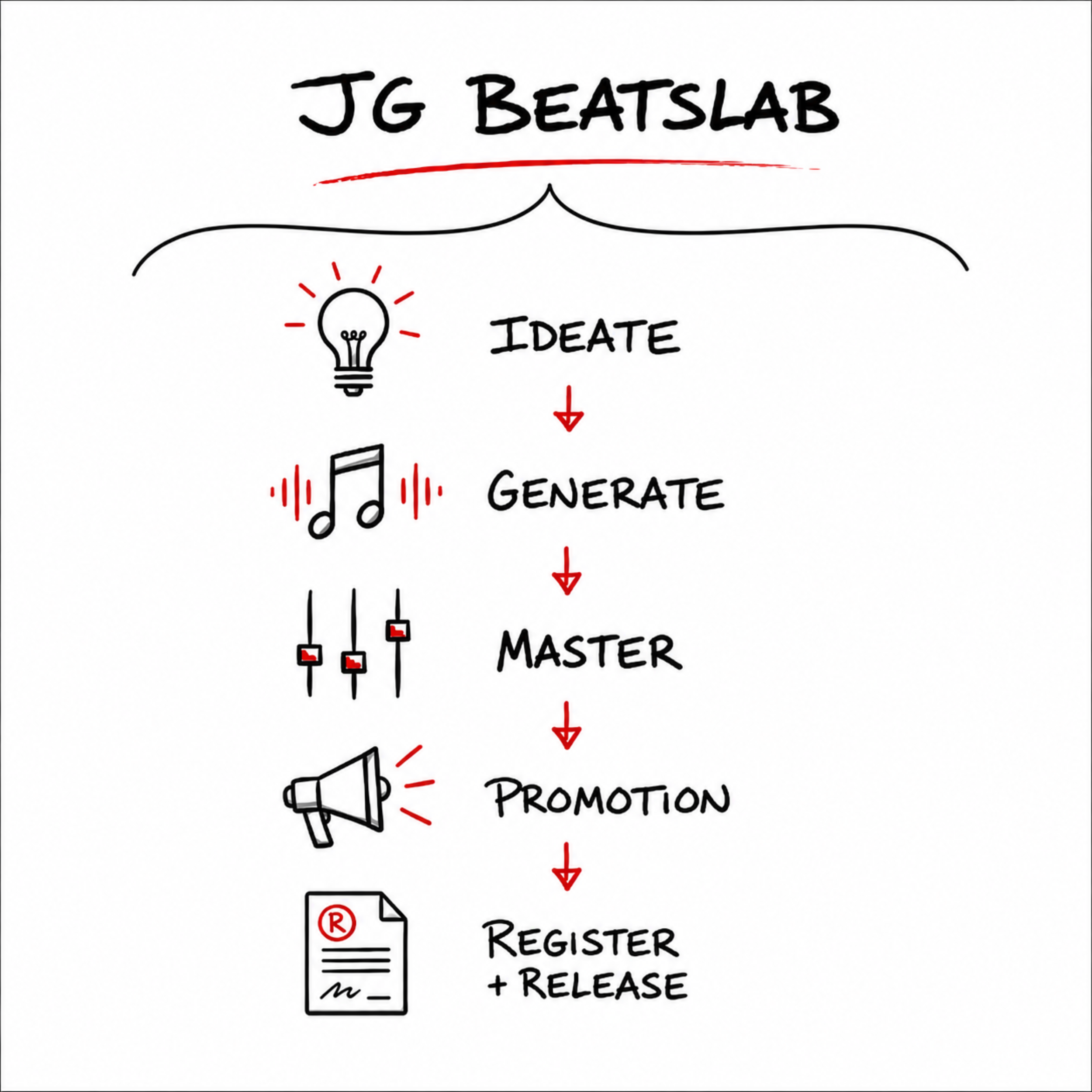
Your Track Doesn't Have One Problem. It Has a Stage.
"It doesn't sound right" could mean five completely different things. Here's the vocabulary that tells you which one you're actually dealing with, and what happens when you get it wrong.
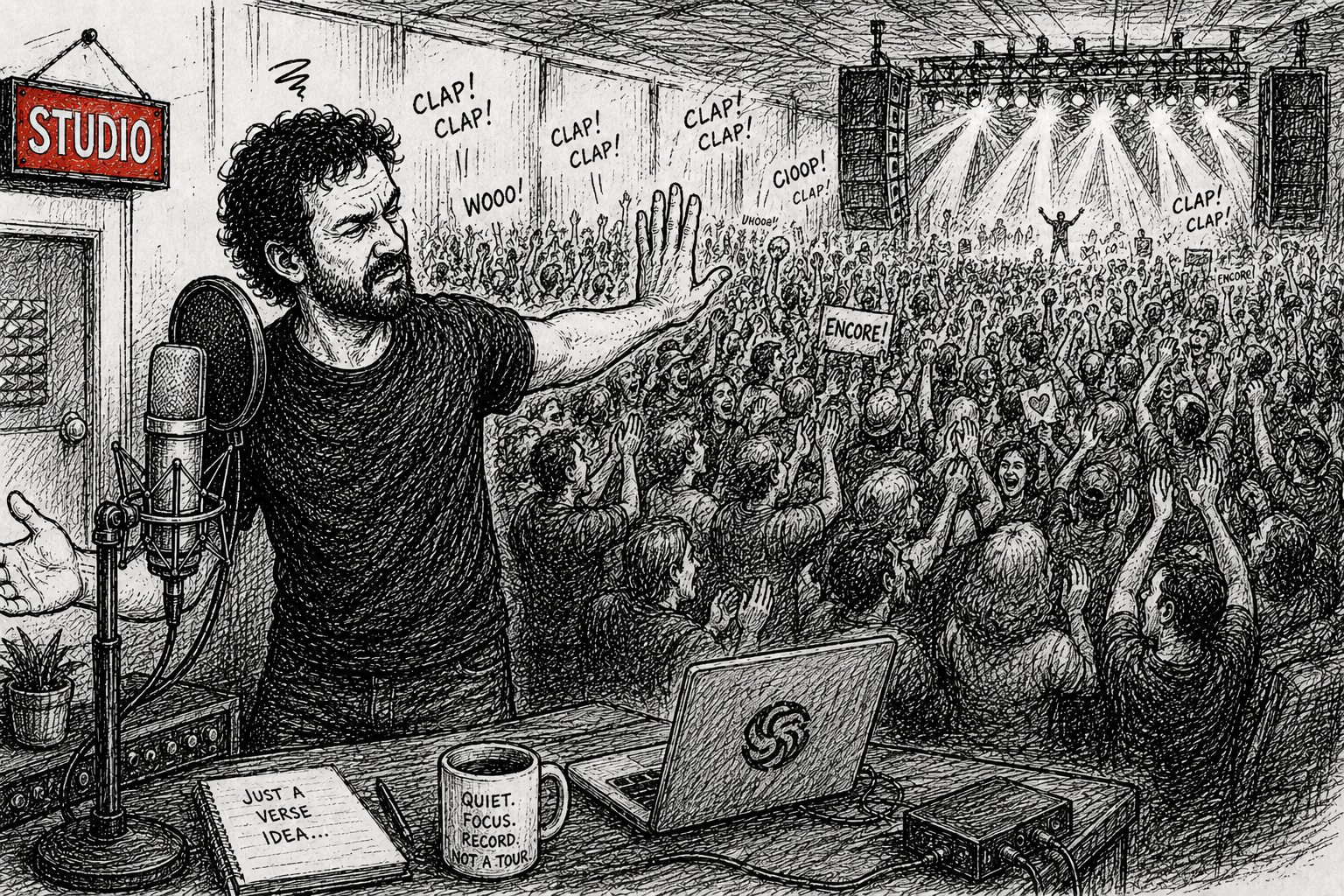
Suno Keeps Turning My Studio Track Into a Live Concert. Here's the Actual Fix.
You wanted a tight studio recording and Suno keeps handing you a concert bootleg: crowd noise, room wash, applause energy. Banning it does not work. Here is why, and the move that does.
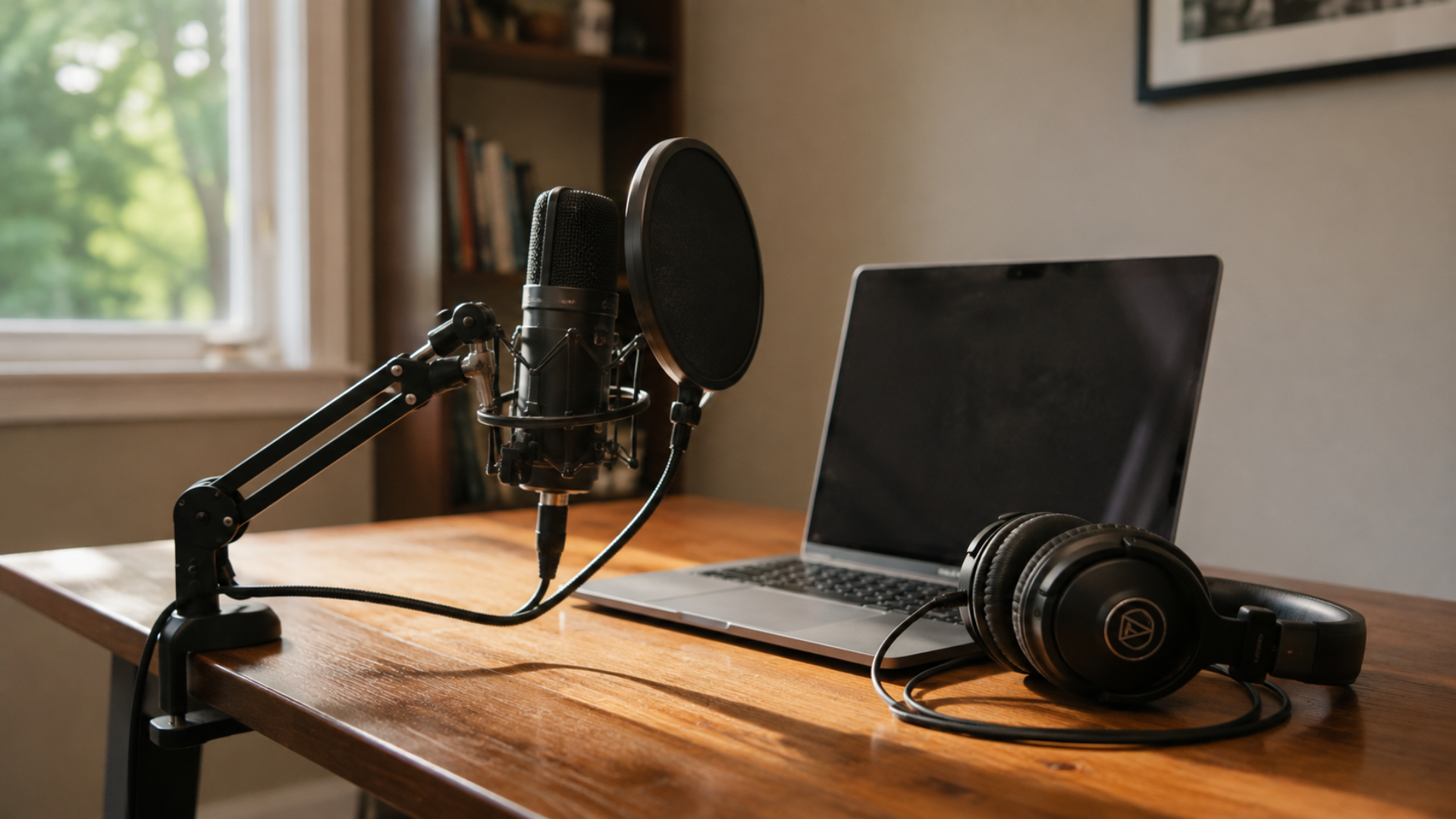
The Best Thing to Happen to Singer-Songwriters Isn't the AI Vocal. It's the Instrumental.
The AI music argument is stuck on whether a generated vocal can pass for a real one. That question doesn't matter if you can already sing. What matters is that the instrumental was never the easy part, and now it is.
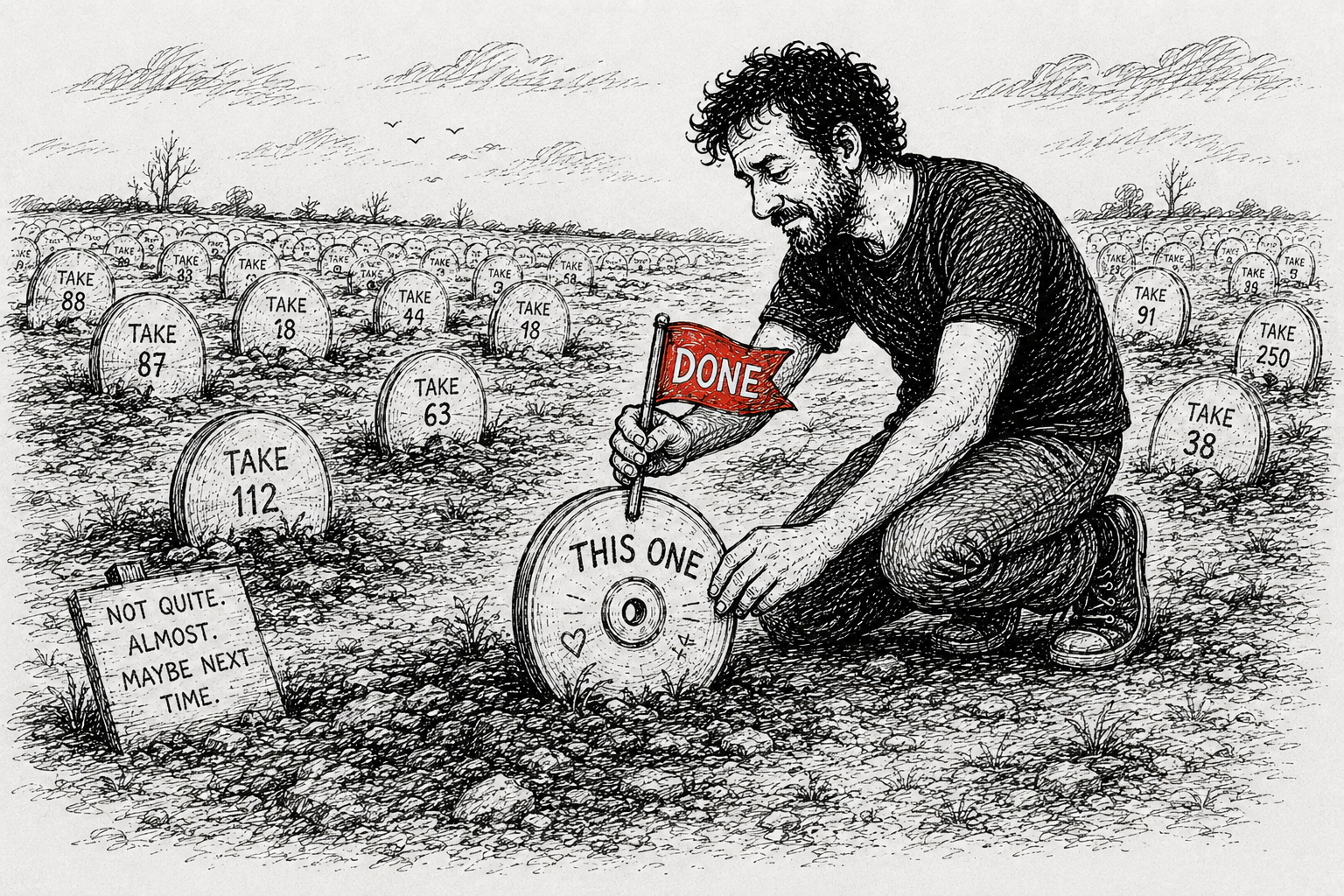
The Credit Graveyard: How to Stop the Regenerate-and-Pray Cycle
Open your Suno library and count the songs. Now count the ones you would play for another musician. The gap is a graveyard of almost-songs, and the fix is not what most people think.
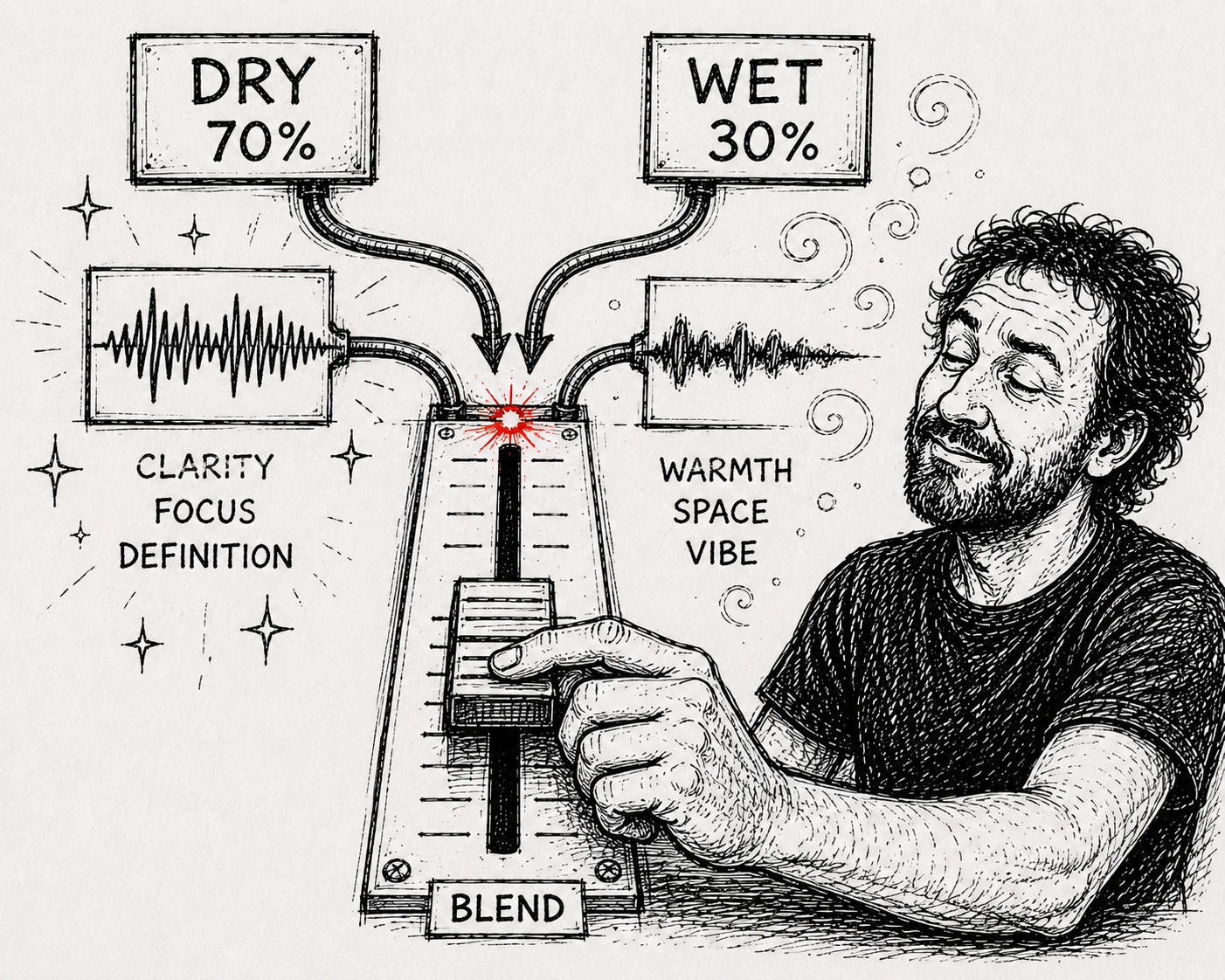
The 70/30 Rule: How to Fix Suno's Biggest Sonic Problem With One Fader
Suno bakes reverb into your audio, and you cannot un-ring that bell. Studio's Remove FX strips it, but the raw output is not production-ready. Here is the free fix that took a full research report to nail down.